Miami, Fort Lauderdale or Orlando? How I help foreign investors choose where to invest in Florida: your goal, rental type, building rules and your capital.
Short answer: there's no single best city. Miami, Fort Lauderdale and Orlando serve different goals, and the choice comes down to four things: what the property is for, what kind of rental you want, what the building and the city allow, and how much capital you have today and at closing. Your numbers come first; the city follows.
"Where should I buy?" is one of the questions I hear most from investors buying from Latin America. Here's how I work through it, with no return promises and no figures that change every month.
What does each city offer?
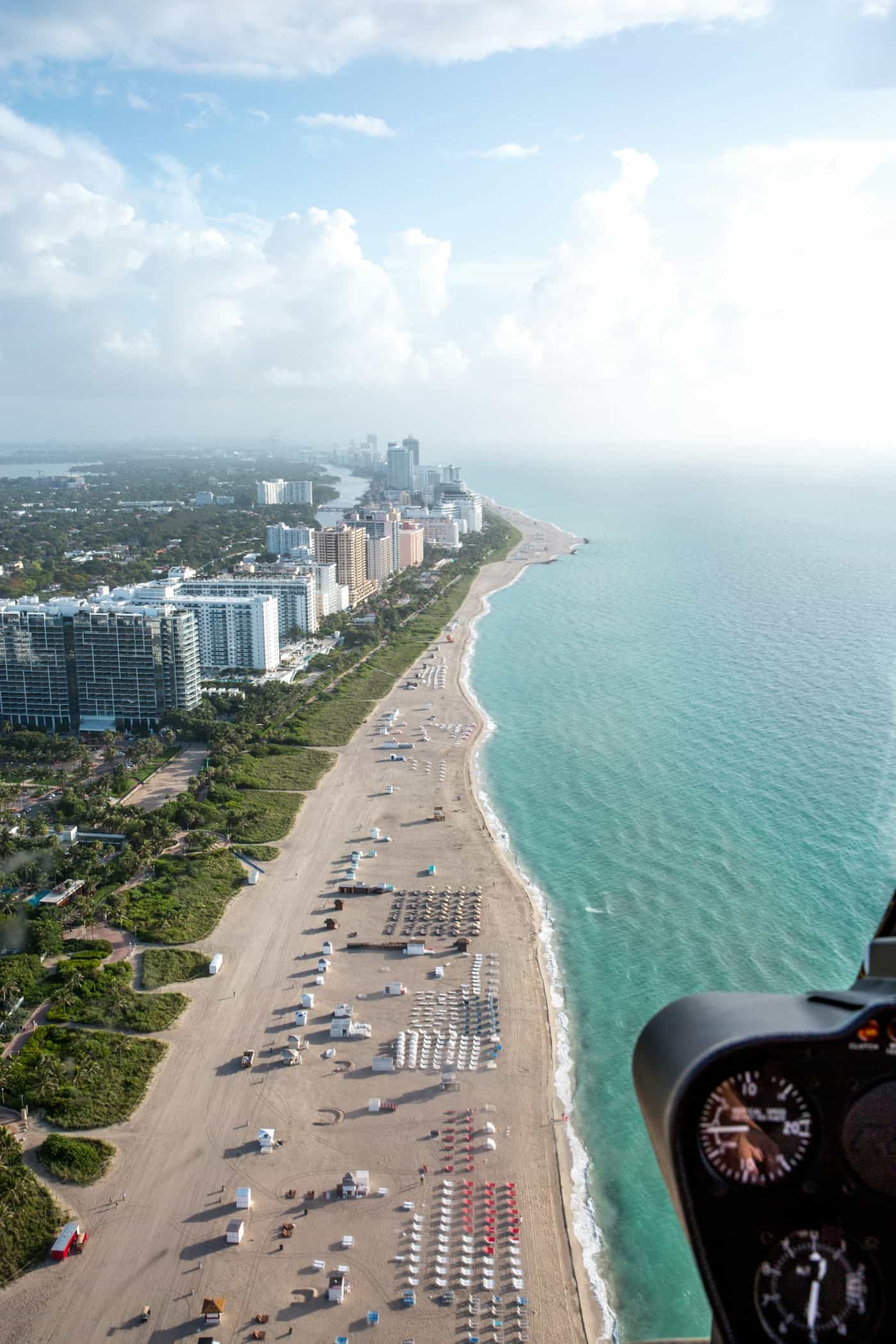
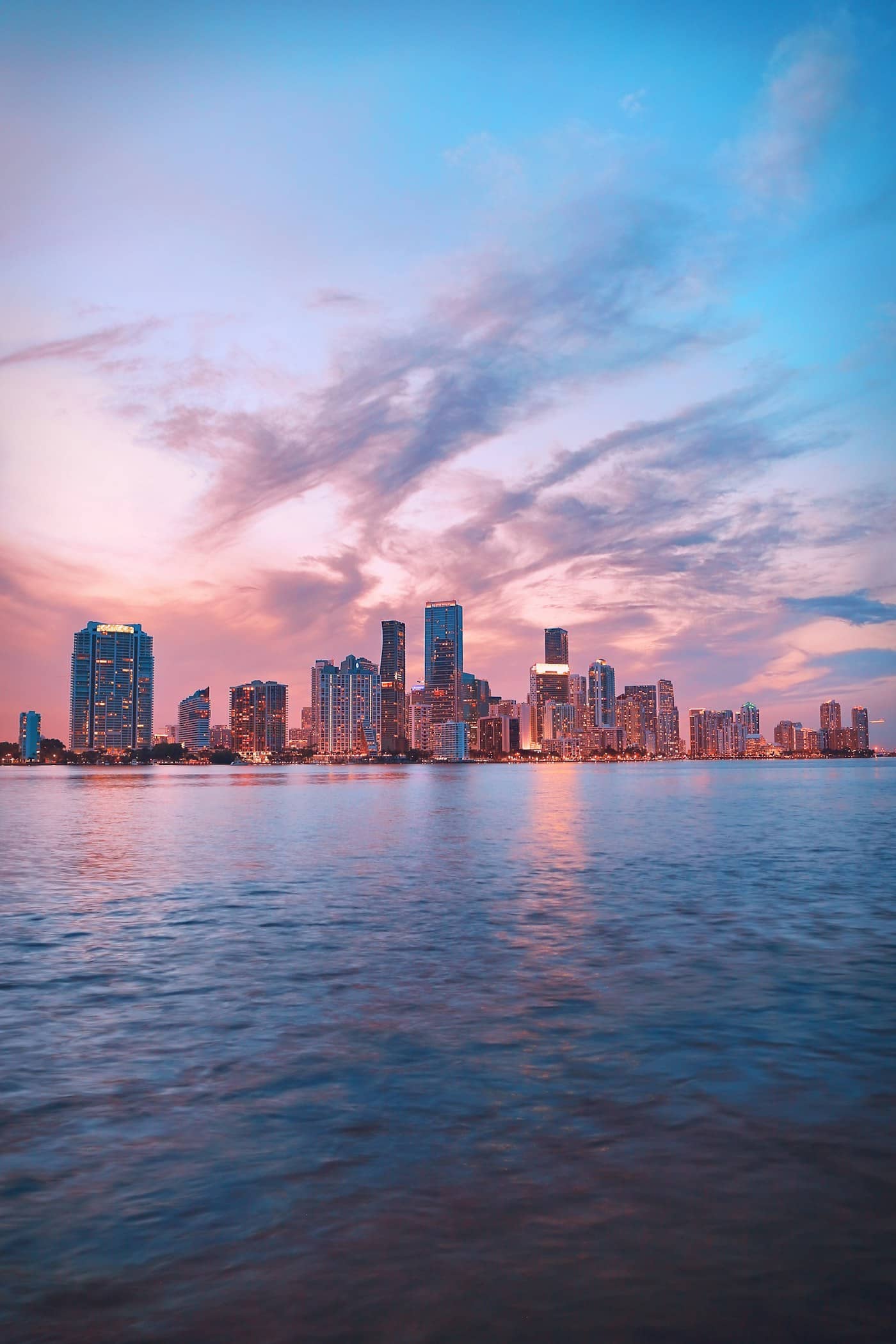
- Miami (Miami-Dade County): most of the projects I review are here. Inside Miami, areas serve very different goals: Brickell's financial district and its hotel-style buildings, Downtown, the residential side of North Beach or Wynwood's art scene. I break it down by area on the Miami page.
- Fort Lauderdale and Dania Beach (Broward County): north of Miami, with coastline, canals and marinas, and a pace of their own. For some investors it's the alternative when Miami doesn't fit their capital or goal. More on Fort Lauderdale.
- Orlando (Central Florida): one of the most visited tourist destinations in the US thanks to its theme parks. I know it closely, and the project and tenant profile there tends to differ from the coast. More on Orlando.
1. What is the property for?
Always the first question. These are different decisions:
- Rental income: you care about who rents in that area and what the building allows.
- Your own use a few weeks a year, rented the rest: you care about location for your family and flexible rules.
- Long-term wealth: you care about build quality, the developer and the cost of ownership.
Once that answer is clear, I can usually rule out one or two cities before looking at a single rendering.
2. What kind of rental are you after?
Short-term, monthly and annual rentals attract different people. Miami has buildings designed for hotel-style operation; Orlando's theme-park tourism creates a different kind of demand; in Fort Lauderdale the coast and marinas shape it. But demand alone isn't enough. What decides is the rule of the building and of the city or county it sits in.
3. What do the rules allow?
Before you fall for a city, get these in writing:
- Whether the building allows short-term rentals, and any minimum stay or yearly limit.
- What the city or county requires: registrations, licenses or zoning restrictions.
- Whether the building has its own rental operator, and on what terms.
These rules change from one municipality to the next and from one building to another, even within the same city. I go through Miami's in short-term rentals: the rules to confirm.
4. How much capital do you have now, and at closing?
In pre-construction you pay deposits in stages and the balance at the end. Entry price, deposit schedule and closing costs vary by project, not by city. That's why I won't tell you "Orlando is cheaper" or "Miami is more expensive" in the abstract: I compare specific projects with their current price list and official fact sheet. If you haven't decided between new and existing yet, start with pre-construction or resale.
5. What will it cost to own?
Condo fees, insurance and property taxes depend on the building, the county and the location. A waterfront unit and one inland can carry very different insurance costs. Ask for these numbers project by project before you compare rents.
How I decide it with a client
- We write down your goal, your timeline and your capital now and at closing.
- We check what kind of rental you need and which rules allow it.
- That narrows it to one or two cities.
- I compare two or three specific projects against their official documents, never the brochure.
Mistakes I see when choosing a city
- Picking the best-known city instead of the one that fits the numbers.
- Assuming a whole city allows short-term rentals because one building does.
- Comparing brochure prices without adding fees, insurance and closing costs.
Frequently asked questions
Can a foreigner buy in any of the three cities?
Yes. You don't need residency or a visa to buy in Florida, and the process can be handled remotely in all three.
Can I invest in more than one city?
Yes. Some investors split their capital between two projects in different cities. It only makes sense if both payment schedules fit your capital.
Do you work in other Florida cities?
My license is from Florida and I advise across the state. If you're looking at another city, send me your goal and I'll review which projects fit your numbers.
This article is for information only and is not legal, tax or financial advice.