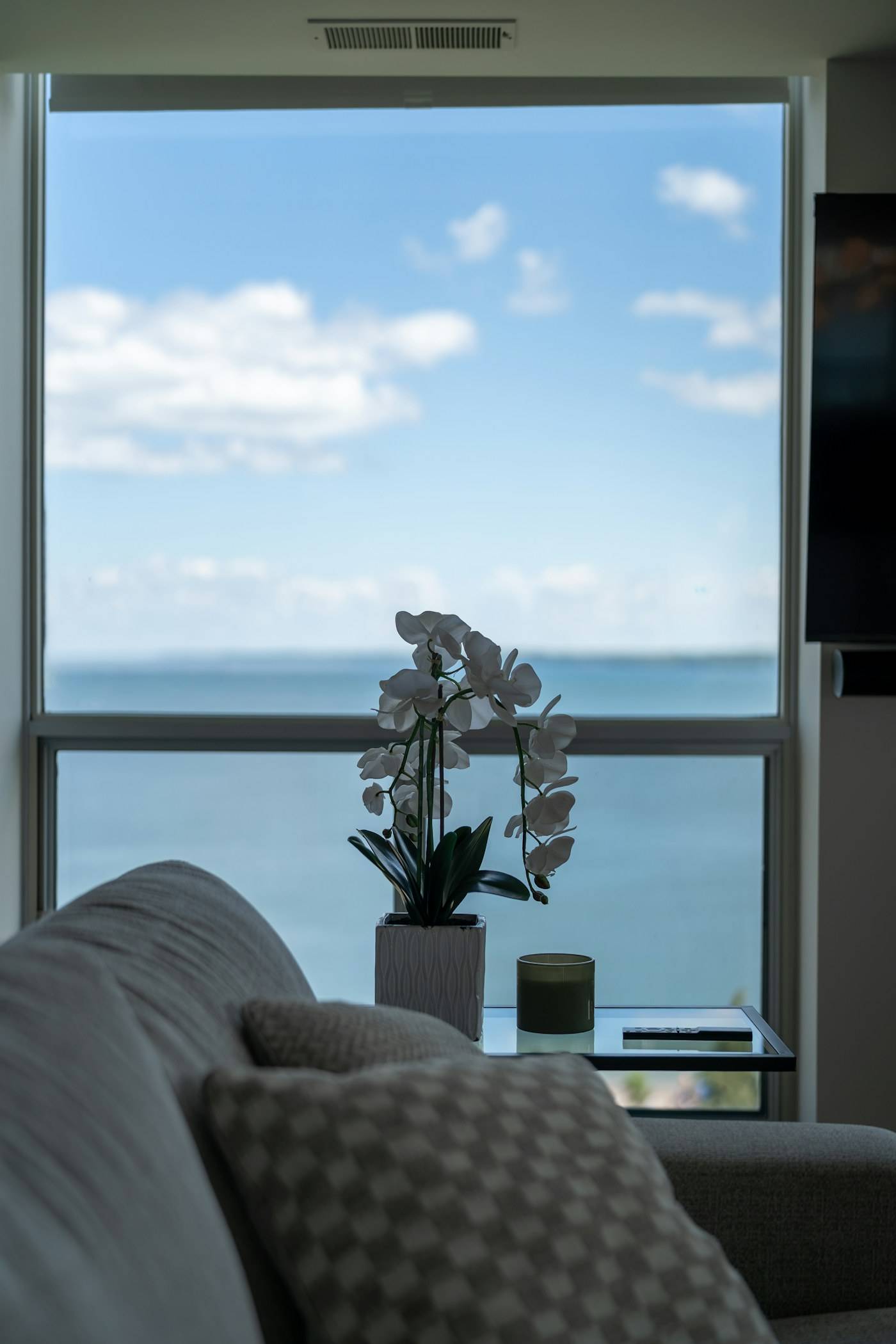
A beautiful building doesn't mean you can rent it by the night. The three layers of rules that decide whether a unit works for short-term rental in Miami and how to verify them.
Short answer: to rent by the night in Miami, three things must line up: the city must allow it in that area, the building must allow it in its documents, and you must comply with licenses and taxes. If one fails, the strategy fails. That's why I confirm it in writing before you reserve.
It's the costliest mistake I see: buying with Airbnb in mind and finding out later that the building requires multi-month minimums.
Layer 1: the city
In the Miami area, each city has its own rules. Miami, Miami Beach, Sunny Isles, Fort Lauderdale and others regulate short-term rentals differently, and some restrict them in many residential zones. Rules change, so I check the current ordinance of the city where the building sits.
Layer 2: the building
Even if the city allows it, the condo decides. In the building's documents (the declaration of condominium and its rules) I look for:
- Whether short-term rental is allowed, and the minimum number of nights.
- How many times per year a unit can be rented.
- Whether guests must be registered or a building rental program used.
- Fees per rental or registration.
Some new projects are designed for flexible rentals and say so in their documents. Others forbid it. The brochure isn't enough: it has to be in the official documents.
Layer 3: licenses and taxes
- State license: Florida requires a license from the Department of Business and Professional Regulation (DBPR) for certain frequent short-term vacation rentals.
- Local registration: some cities require their own registration or certificate.
- Tourist taxes: short-term stays pay state and county taxes on each booking. Some platforms collect and remit them for you; others don't.
Short-term or long-term
Short-term rental can bring more gross income but has more expenses (cleaning, platform, management, furniture) and more month-to-month swings. Long-term rental gives steadier income and less work. With every client I compare both using the building's numbers and real rules, not internet averages.
If you want to operate a rental, look at the projects I work with: for each one I note what its documents allow.
How I run the numbers on a short-term rental
To compare seriously, I build a sheet with realistic income and costs:
- Occupancy: with high and low seasons, not one perfect month times twelve.
- Nightly rate: based on similar units in the same building or area, not the best night of the year.
- Platform and management fees.
- Cleaning between guests, laundry and restocking.
- Tourist taxes paid on each stay.
- Fixed costs: fees, insurance, property tax, internet and utilities.
- Wear and tear: furniture and appliances are replaced more often than in a long-term rental.
At the end I compare that net figure with a long-term rental of the same unit. Sometimes the difference is worth it; sometimes it isn't.
Hurricane season
The official Atlantic hurricane season runs from June 1 to November 30. During those months there can be cancellations and less travel. It doesn't mean the unit won't rent, but your plan should be able to absorb slower months.
What happens if the rules aren't followed
When a unit is rented against city or building rules, you can face city fines, association penalties or an order to stop renting. There can also be insurance problems if a loss happens during a rental that wasn't allowed. That's why I don't recommend buying on the assumption that "nobody will notice".
What I give you when you're interested in short-term rentals
- The page in the building documents where it's allowed, and on what terms.
- What the city requires for that address.
- A sheet with short-term and long-term rental numbers side by side.
- The questions for the management company you plan to hire.
If the building has a rental program
Some new buildings offer their own rental program, run by a company that operates inside the building. It can greatly simplify remote operations. Before deciding, ask in writing how revenue is split, which costs are deducted, whether it's mandatory or optional, and how you leave the program.
Frequently asked questions
If the developer says it's "Airbnb friendly", is that settled?
No. Ask for the exact page in the condo documents that allows it. Advertising isn't a contract.
Can I switch from short-term to long-term later?
Yes, as long as you follow the building's rules. Long-term rental is almost always allowed, with some requirements.
Who manages the rental if I live abroad?
A management company or the building's rental program, if there is one. Their fees must go into your numbers.
Can the rules change after I buy?
Yes. Both the city and the association can change their rules, following their own processes. That's why your plan should also work as a long-term rental.
Do I need special furniture for short-term rentals?
You need a unit equipped for guests: durable furniture, a full kitchen, linens and the basics. Some buildings deliver units furnished; if not, include that cost in your numbers from the start.
This article is for information only and is not legal advice. Rental rules change; confirm them with the city and in the building's documents.